
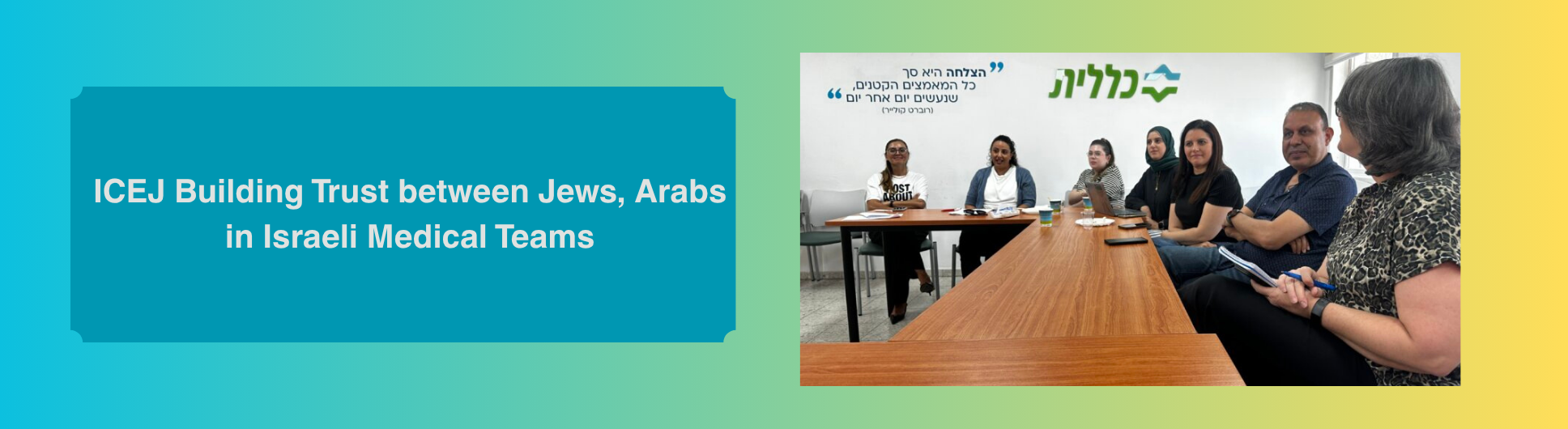
ICEJ Building Trust between Jews, Arabs in Israeli Medical Teams
By Nativia Buehler, ICEJ AID Administrator
Throughout Israel, Jews and Arabs work side-by-side in medical clinics dedicated to healing wounds caused by war while also maintaining societal harmony. Every day, these Israeli doctors and nurses treat patients while facing their own family and community struggles. In this fragile setting, unity within the medical teams is not just important—it is essential. Inside these culturally mixed teams, everyone must contribute to unity and understanding when facing the sensitive and sometimes painful dynamics that inevitably arise due to the prolonged Arab-Israeli conflict.
Jews and Arabs Navigating Sensitive Issues Together
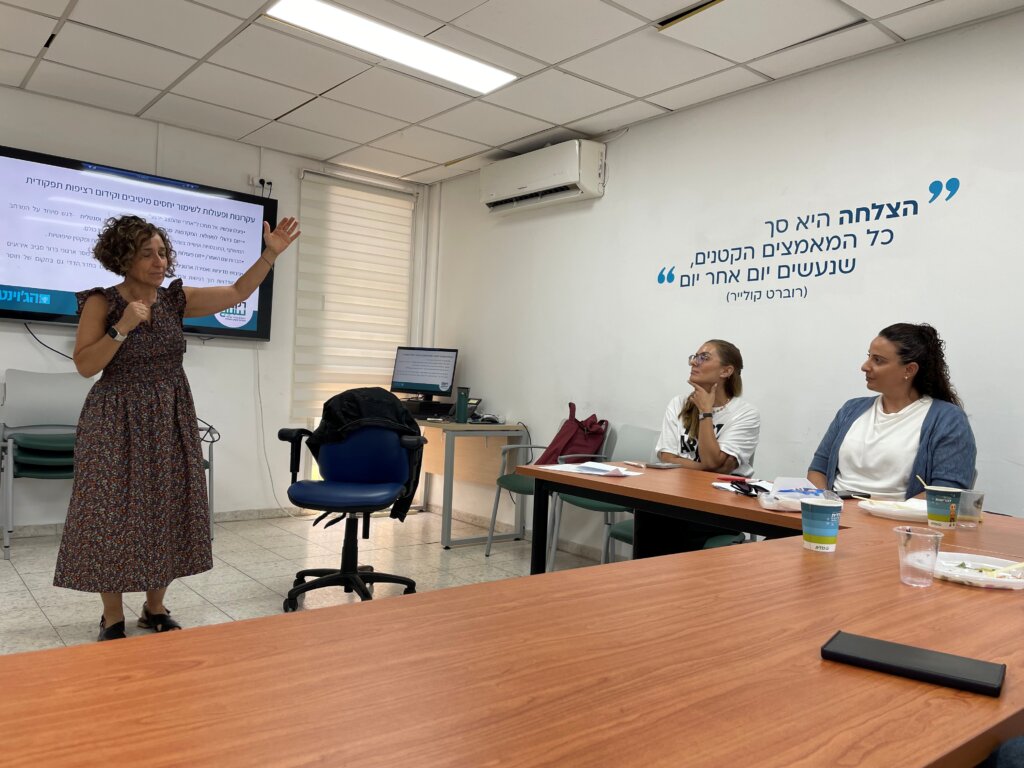
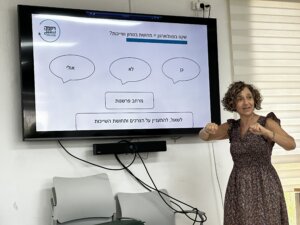
Recently, the International Christian Embassy Jerusalem (ICEJ) supported a workshop in southern Israel for regional clinic managers and trainers, equipping them with practical tools to strengthen trust and prevent conflict. Sessions focused on communication, empathy, and early intervention, helping leaders navigate sensitive issues such as political tensions, cultural misunderstandings, and personal grief.
One Arab physician heading a mostly Jewish team described the underlying challenge clearly. “We cannot escape the situation,” he said. “I try to ask about people’s families and show that I do care. It makes a difference.”
Fostering Staff Well-Being
Research shows that culturally diverse medical teams in Israel have great potential for strength, but misconceptions and national tensions can severely strain relationships. The ICEJ’s initiative addresses these hidden pressures by teaching managers to “see through trauma glasses”—to recognize that fear, loss, and grief shape behavior—and giving them tools to turn conflict into compassion.
Building a Stronger Foundation
The program trainers show how these tools not only work during times of war and tension but also in quieter seasons, helping to build a strong foundation that can carry them through any challenge. The core message is: “We are all going through a challenging period. Let’s continue to support one another and maintain a respectful, professional space for everyone.”
Rather than offering short-term fixes, the program builds long-term resilience. When managers encourage regular check-ins, create safe spaces for dialogue, and model respect, staff discover that unity is possible—even in times of war.
This project is about more than managing conflict and cultivating empathy and understanding within a team; it is about undergirding the societal health of a nation amid a prolonged crisis, when the healthcare system is well positioned to serve the public with stability and care.
In these days when antisemitism is rising worldwide, hostages are still held in Gaza, and lives are being lost daily, Israel’s internal unity is more important than ever. By investing in trust within healthcare teams, communities are strengthened from within, and the nation stands stronger.
ICEJ is honored to play a part in supporting these medical teams in the Negev. Together, we can help build bridges of trust in one of Israel’s most challenging regions.
Partner with us today—give to the Israel in Crisis fund at: www.icejusa.org/crisis
Related Articles
How Goes the Iran-Israel War? (Webinar)
Israel and Iran and an End to Nuclear Lies
The Big Lie: Who Is Really Committing Genocide?