The story of Hanukkah is often told with an emphasis on the evil ruler Antiochus IV Epiphanes, king of the Hellenistic Seleucid Empire, who was bent on Hellenizing the Jewish people. Had he succeeded, it would have meant the demise of the Jewish faith and thereby the Jewish people. God’s plan to bring salvation to the world through their Messiah would have died with them—which is precisely why Hanukkah matters for Christians today.
In his attempt to force the Jews into compliance, Antiochus IV slaughtered 40,000 inhabitants of Jerusalem, murdered the high priest, and prohibited sacrifices, temple services, and the observance of the Sabbath and feast days. The temple was dedicated to Zeus and then desecrated with the slaughter of a pig on the sacrificial altar.
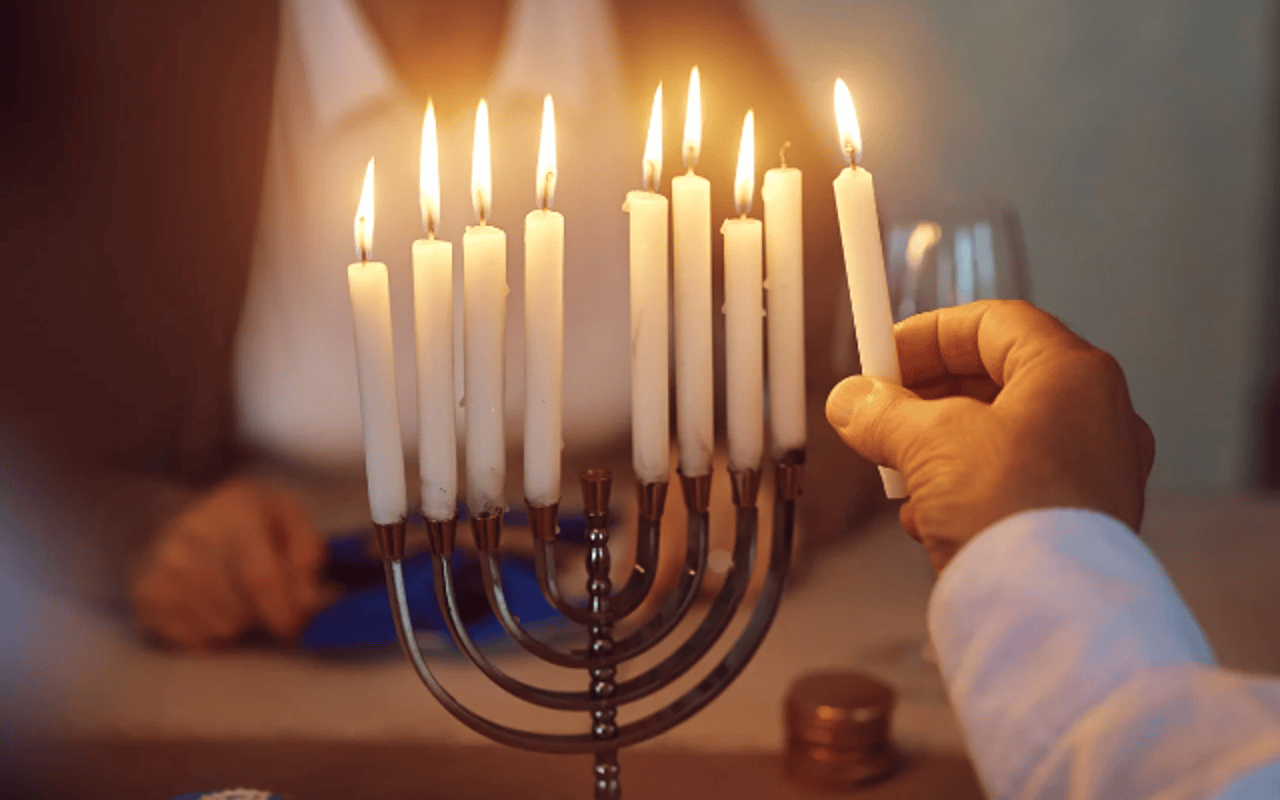
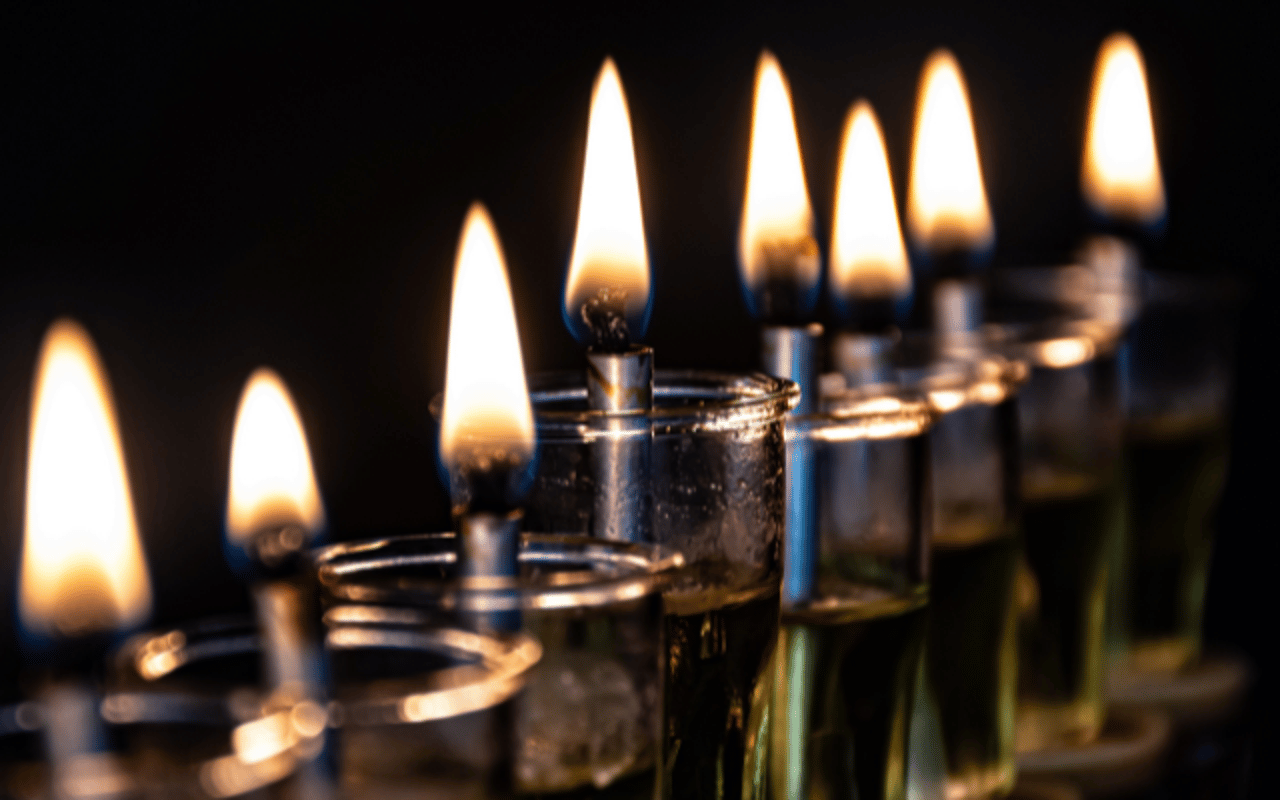
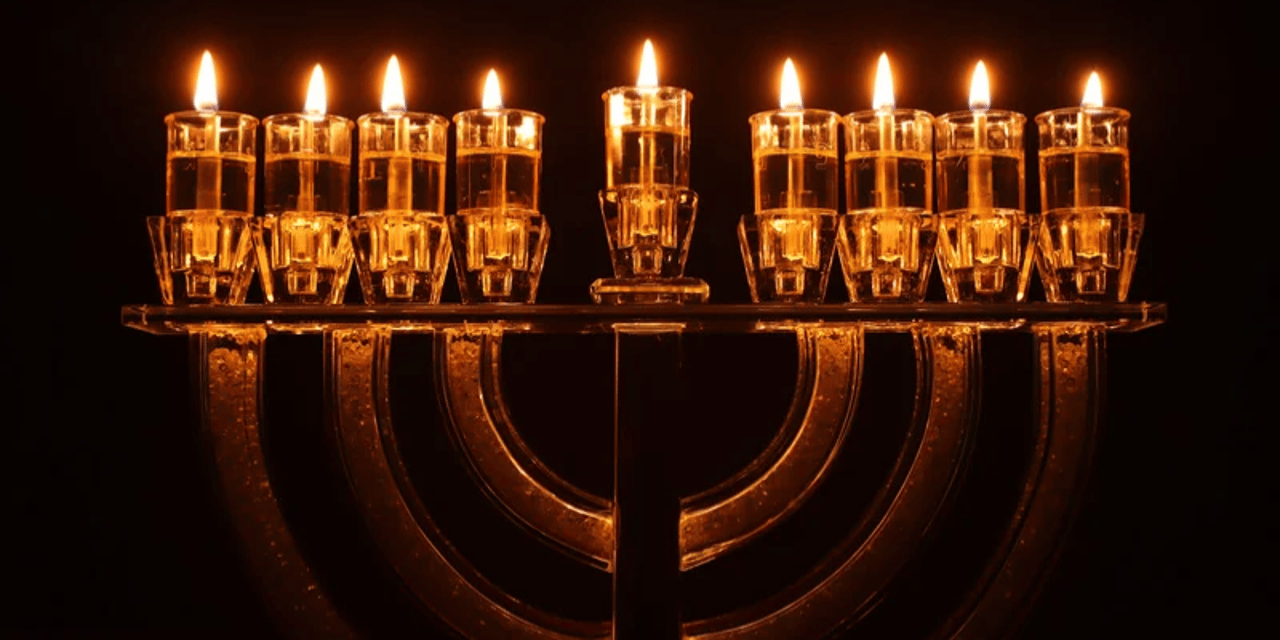
The Maccabean family, from the priestly line of Aaron, led a revolt and miraculously experienced victory after victory over the mighty Greek forces until, at last, the temple could be purified and its services restored. Hanukkah (December 4–12, 2026) is known as the Feast of Dedication in the Bible because it commemorates the cleansing and rededication of the temple to the God of Israel. Its symbol is the temple Menorah, which allegedly burned miraculously for eight days on just a small amount of oil.
Ancient Means of Control
This story, however, is about more than an evil ruler. Antiochus IV was imposing the ruling culture and ideologies of the empire upon the Jews—including paganism and an immoral pagan society, as well as the Greek language—not to mention ruling philosophies of reason, humanism, and pursuit of knowledge. This is how kings subdued and controlled the people in their kingdoms.
In the ancient world, Jews often clashed with pagan rulers such as Antiochus Epiphanes, who demanded obedience and homage to their gods to prove one’s loyalty. The Jewish people could not bow down to these pagan leaders, nor their gods, and were bound by the Mosaic Law to certain behaviors and observances that set them apart from other societies and brought upon them great persecution, exiles, and threats of extinction.
Hanukkah and Israel Today: Modern Imposition of Ideologies
A new chapter in the Hanukkah story is being written today—godless world leaders are attempting to impose on all of us the ideologies of secularism, globalism, and moral relativism. Once these ideologies take hold, the masses can then be easily controlled because they will have no loyalty to a religious creed, national identity, or moral code.
Israel, a Jewish nation-state, is antithetical to all three of these modern ideologies. Therefore, its Jewish national identity is accused of being racist by secular globalists. The very nation that gave to the world the Ten Commandments, on which Western civilization bases its legal code and definition of morality, is hated by those attempting to impose their ideology of moral relativism: the belief that there is no objective right or wrong, truth or falsehood, nor good or evil.
The seemingly contradictory part of this secular movement is that its proponents are not just tolerating but are assisting in the global dominance of Islam—a religion with a very strict legal and moral code that it seeks to impose on the world, especially upon the secularist “infidels!” There is only one explanation for this strange alliance, and that is that, deep down, both movements share something in common: they are both anti-Christian and antisemitic at heart.
Hanukkah and the Battle over Jerusalem’s Story
On October 7, 2023, Hamas led a terrorist assault on southern Israel, murdering civilians in their homes and taking families hostage. Hamas called the operation “Al-Aqsa Flood,” invoking the mosque that stands on the Temple Mount, where the Maccabees rededicated the Jewish temple more than 2,000 years ago. Hamas was alerting the world to its intentions to take over all of Israel, including the ancient Temple Mount, thereby erasing any Jewish presence or historical connections to it, such as the Hanukkah story.
Muslims believe that the Jewish and Christian Bibles are corrupted. Therefore, jihadist groups such as Hamas completely disregard biblical accounts proving Jewish ties to the land of Israel, including the city of Jerusalem, and most importantly, the Temple Mount. This is even though the biblical record has been backed by one archaeological find after another, proving not only the existence of the Jewish temple on the Temple Mount, but a 3,000-year history of Jews in the city of Jerusalem.
Instead of condemning the jihadist efforts to take over Israel and rewrite history, much of the world has turned against Israel, and Jewish communities in many countries now find antisemitism at lethal levels. This is the new chapter in the Hanukkah story: world powers attempting to impose upon the Jewish people a denial of their Bible, history, faith, and holy sites. Because they won’t comply, Israel and the Jewish people are demonized and threatened with extinction.
Why Hanukkah Matters for Christians: The Jewish Bible Is Our Bible
Each year, as Jewish families light the Hanukkah candles, they remember the restoration of Jewish worship in the temple and find a ray of hope for their present situation. The story is also significant to Christians—John’s Gospel records that Jesus Himself was in the temple courts during the Feast of Dedication (John 10:22–23). When the Jewish people’s ancient connection to Jerusalem is denied, Christians have every reason to speak up. It is part of the history we read in our own Bible.
Christians must stand up on behalf of Israel and the Jewish people because their Bible and history of faith are also ours. If we do not speak up and stop these attempts to rewrite biblical and historical fact, we will one day wake up to the reality that Evangelical Christians are next on the list of undesirables.
Conclusion
The Hanukkah story reminds us that when we stand up against the mighty powers of our day, we do so not in our own strength, but with God’s help. No matter how hard it may look, we can expect to take back lost territory and rededicate ourselves and our nations to the God of the Bible. He will give us the power to become a light—like a Hanukkah Menorah—shining forth into a dark world, bringing hope and truth to those with hearts to receive it.